AI Can Build a Website. But Can It Build One That Actually Works?
AI Can Build a Website. But Can It Build One That Actually Works?
AI has changed website design.
Today, you can type a few sentences into an AI website builder and have something that looks like a website in minutes. It can generate headlines, choose images, create sections and even write most of the copy.
That’s impressive.
But having a website and having an effective website are two very different things.
Your website still has to convince a human being to trust your company, make it easy for them to find what they need and give them a reason to take the next step.
At the same time, it needs to give Google, AI search engines and other platforms enough information to understand exactly who you are, what you do and when your business should be recommended.
That requires more than a good prompt......
Your Website Has Two Audiences Now
For years, we built websites primarily for two groups: your customers and search engines like Google.
In 2026, there’s another audience to consider.
AI.
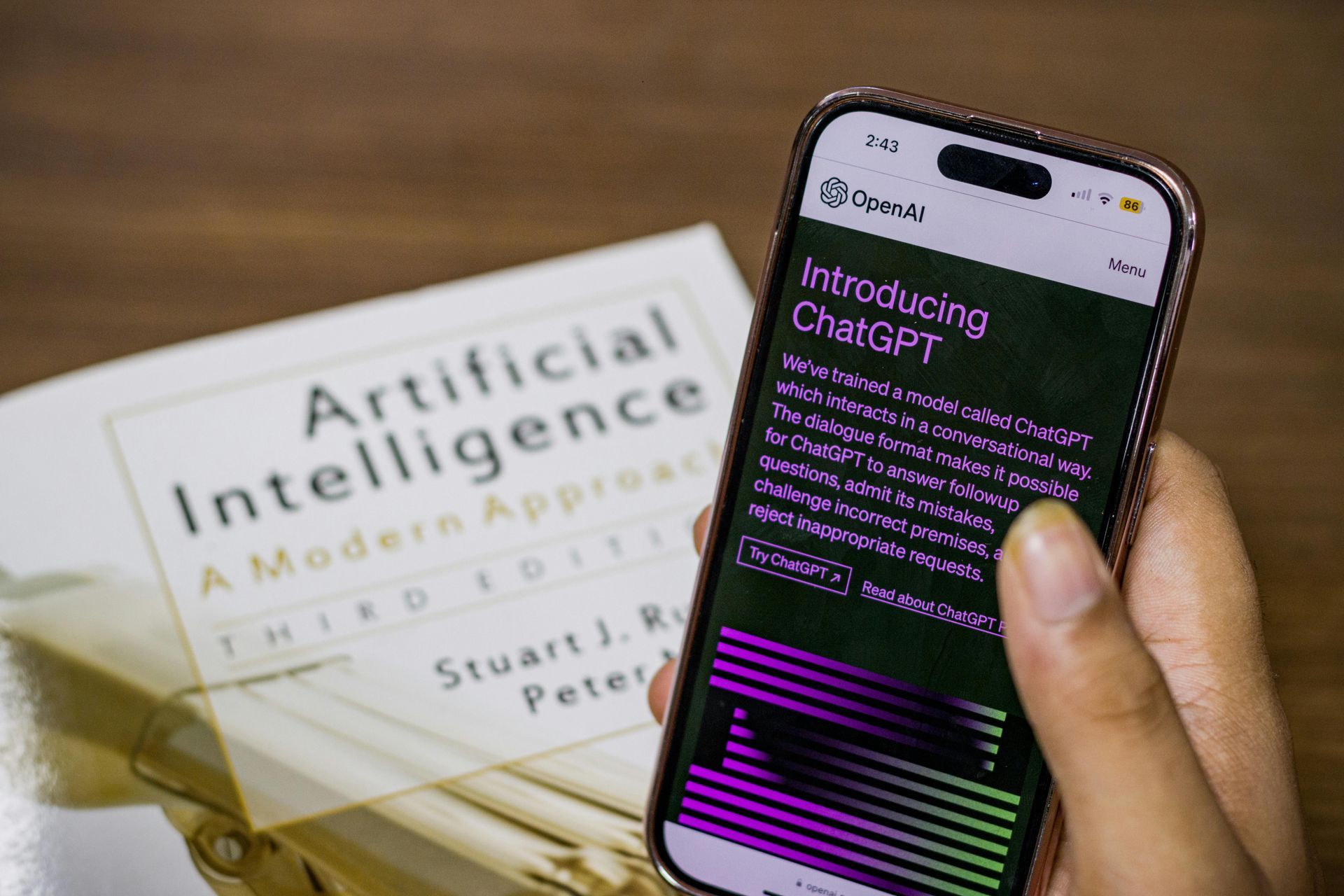
People are increasingly asking ChatGPT, Google and other AI powered search tools questions instead of scrolling through pages of traditional search results.
They’re asking things like:
“Who is the best remodeling company near me?”
“Find an estate planning attorney in Tampa.”
“What company specializes in automotive direct mail?”
“Who can redesign my business website?”
Your website needs to contain the right information for these systems to understand your business and potentially include it in an answer.
That starts with the fundamentals.
Your page titles, meta descriptions, headings, service pages, location information, internal linking, image information and actual website copy all help establish what your business does.
AI doesn’t eliminate SEO.
It makes having a well structured website even more important.
Keywords Still Matter. How We Use Them Has Changed.
There was a time when SEO meant cramming the same keyword onto a page as many times as possible.
Those days are long gone.
Today, good optimization should feel natural to the person reading it while giving search engines clear context.
If you are a roofing company in Savannah, your website shouldn't simply say:
“We provide quality solutions for your home.”
Solutions for what? And where?
Compare that to:
“Residential roofing, roof rejuvenation and attic services for homeowners throughout Savannah and Coastal Georgia.”
A human immediately understands the business. So does a search engine.
Being specific is a big deal.
Every page should have a purpose. Every service should be clearly explained. Your page titles and descriptions should support what is actually on the page.
That is the kind of work that happens behind the design and often gets overlooked when someone is shopping for a website based primarily on price or appearance.
(oh yes, AI can build you a cheap website.)
A Pretty Website Can Still Be a Bad Website
We see this all the time.
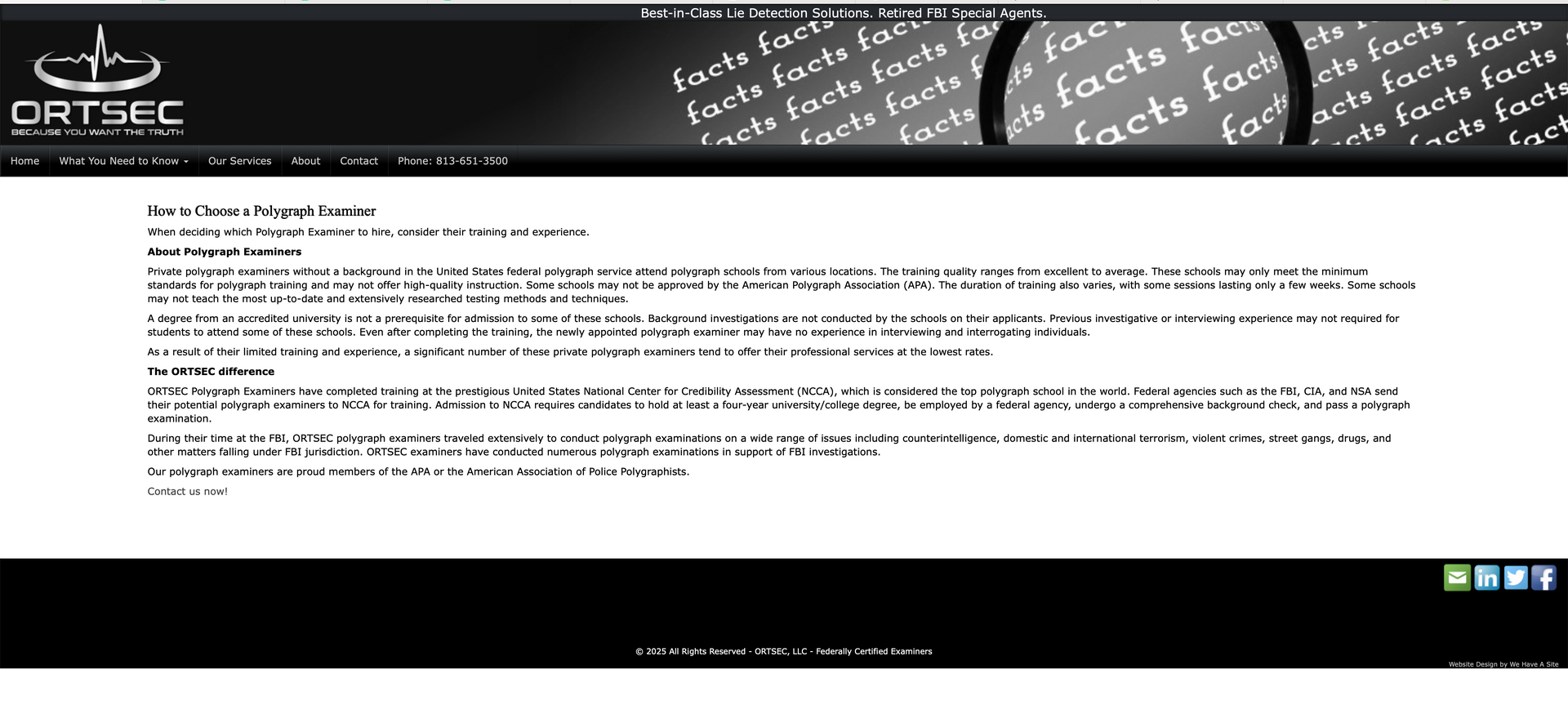
A website can look beautiful and still produce absolutely nothing.
No clear call to action.
Phone number buried in the navigation.
Forms that ask for too much information.
Generic headlines.
Important services hidden three clicks deep.
No location strategy.
No obvious reason to choose the company.
Beautiful design matters, but design should guide people toward action.
Where does your eye go when the page loads?
Can you tell what the company does within a few seconds?
Is the next step obvious?
Can someone easily call, schedule, request a quote or submit a form from their phone?
Those decisions come from understanding consumer behavior and marketing, not simply knowing how to make a website look good.
There Is Still a Human on the Other Side of the Screen
AI can analyze patterns. It can generate layouts. It can suggest copy.
But your customer is still a person.
They notice when something feels generic. They notice bad photography. They notice when a website feels dated or confusing. They make quick judgments about whether a business looks credible.
They also respond to hierarchy, contrast, imagery, social proof and strong calls to action.
That’s why we still believe website design needs human strategy behind it.
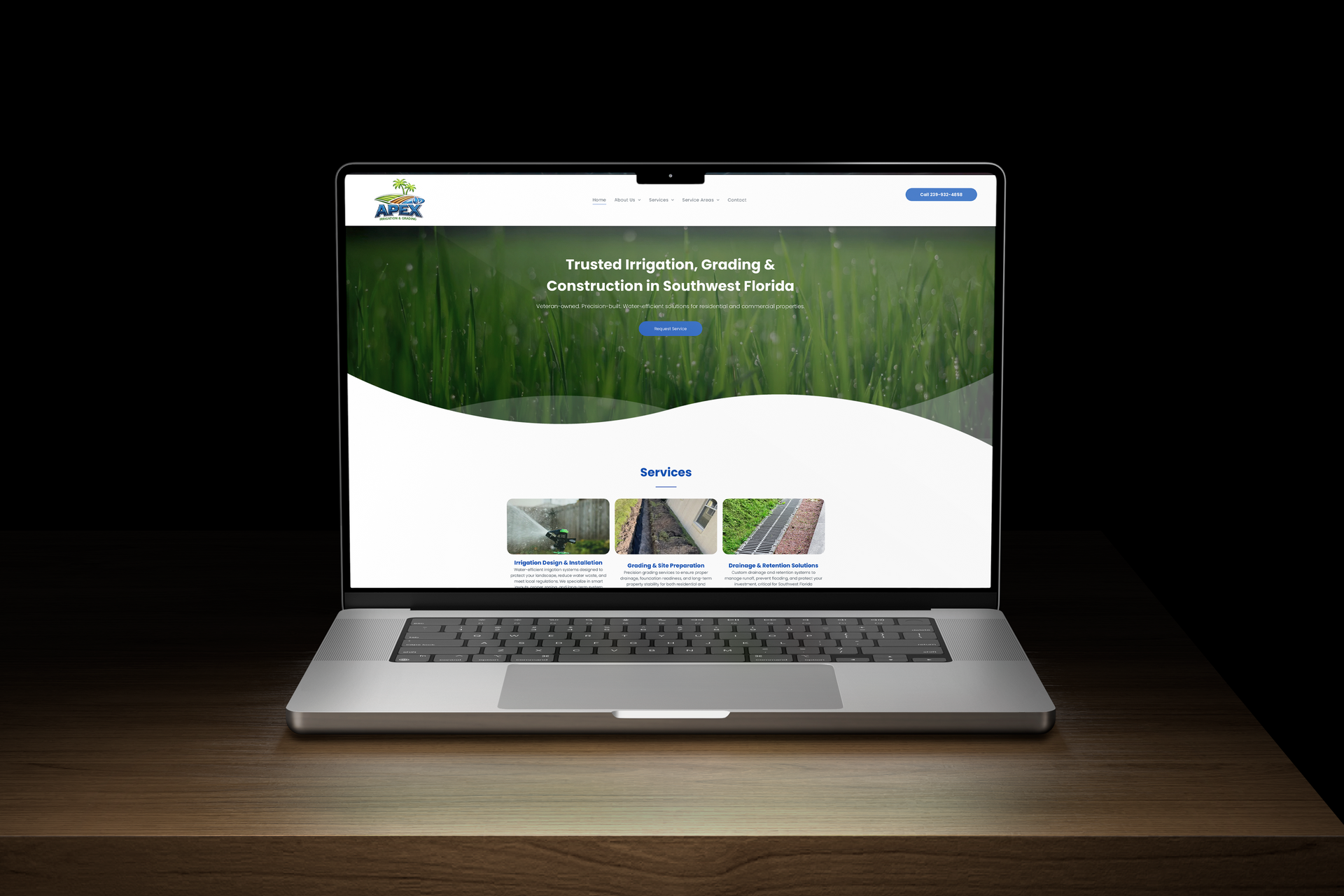
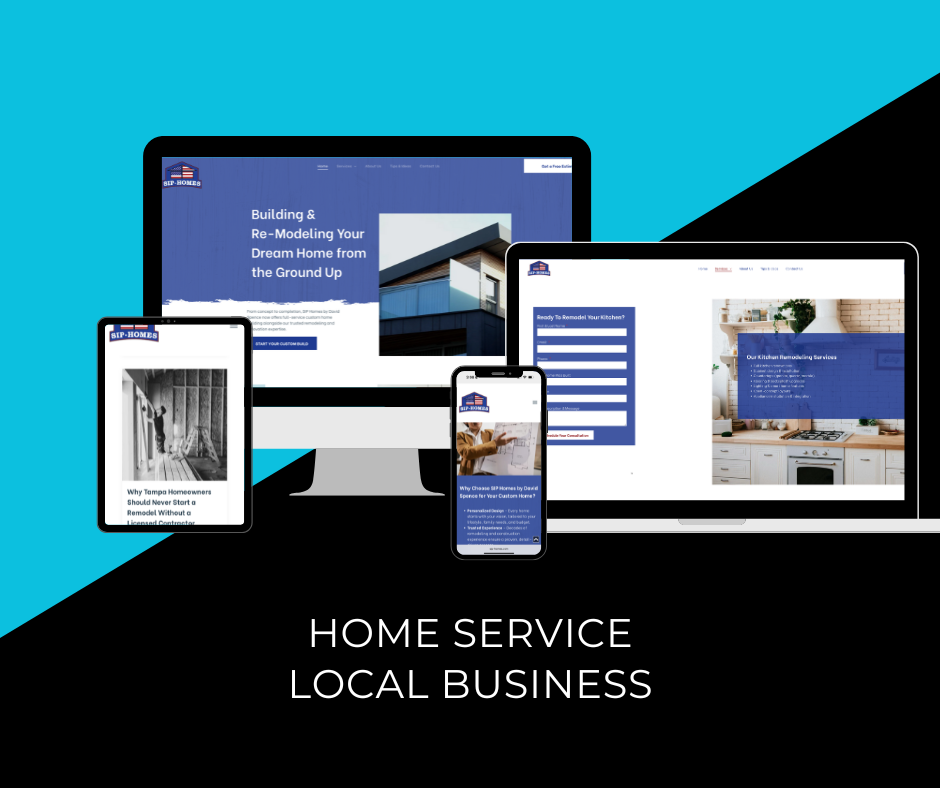
At Hive Media, we bring more than 20 years of marketing experience into the website design process.
We aren't just asking,
“Does this look good?”
We're asking:
Will someone understand it? Will they trust it? Will they click it? Will they call? And can Google and AI understand exactly what this company does?
Those are very different questions.
AI Is a Tool. Experience Is the Strategy.
We use AI. We think businesses should use AI.
It can make businesses faster, provide better data, improve workflows and help marketers accomplish things that would have taken considerably longer just a few years ago.
But AI is just a tool.
It doesn't replace knowing what information belongs on a website, how customers move through a sales funnel, how to position an offer, where calls to action should appear or how all of those pieces fit into a larger marketing strategy.
When you're shopping for a new website, don't just ask what platform it's built on or how much it costs.
Ask what happens behind the design.
Who is writing and optimizing the pages?
Is on page SEO included?
Are individual services being properly targeted?
Is the website structured for local search?
Is conversion being considered?
Is it being built with AI search in mind?
And most importantly, does the person building it understand marketing?
Because in 2026, almost anyone can build you a website.
Building one that helps grow your business is still a different skill.
Need to find out if your current website is keeping up? Hive Media builds modern, conversion focused websites designed for humans, Google and the changing world of AI search.